The United Kingdom has one of the richest and most layered histories on earth, spanning over 5,000 years of recorded activity. Here are the historical sites that every visitor should make time for.
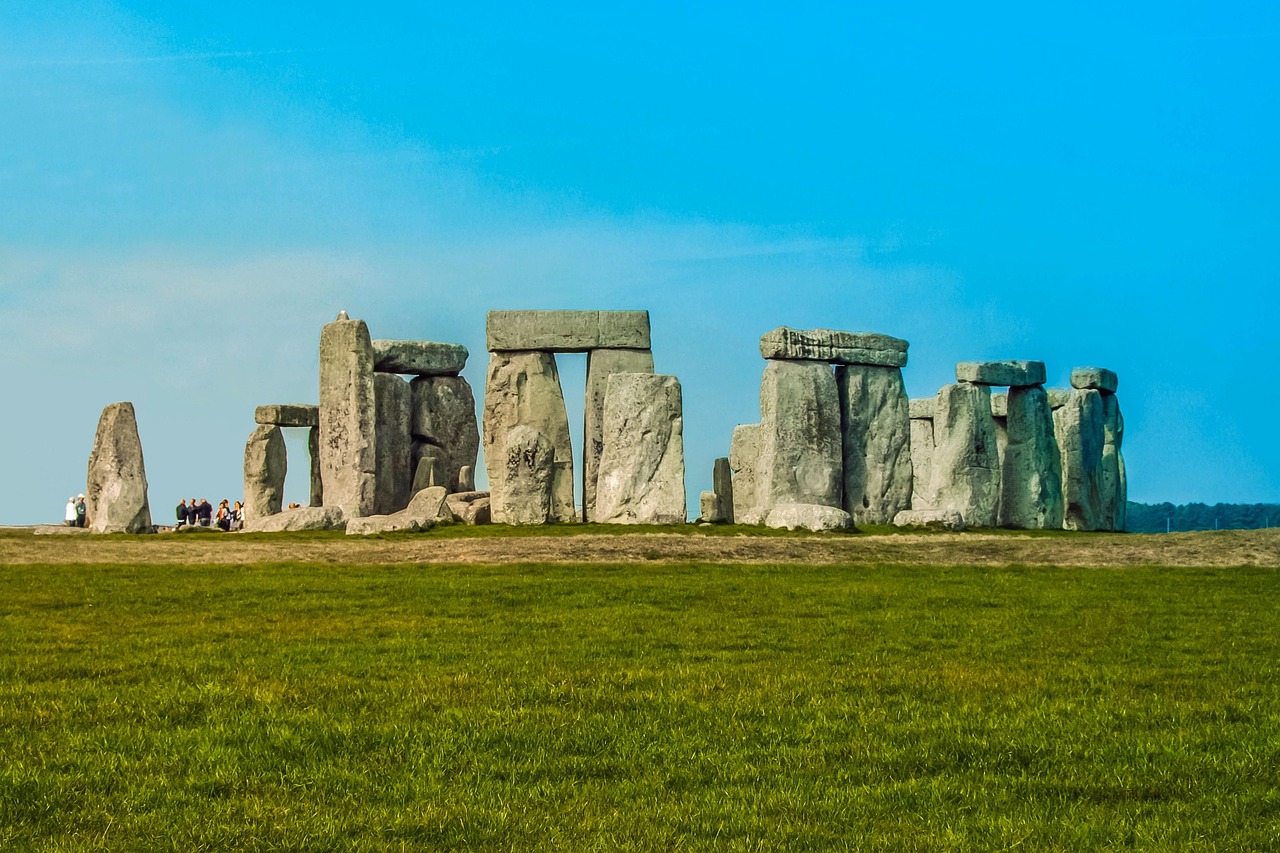
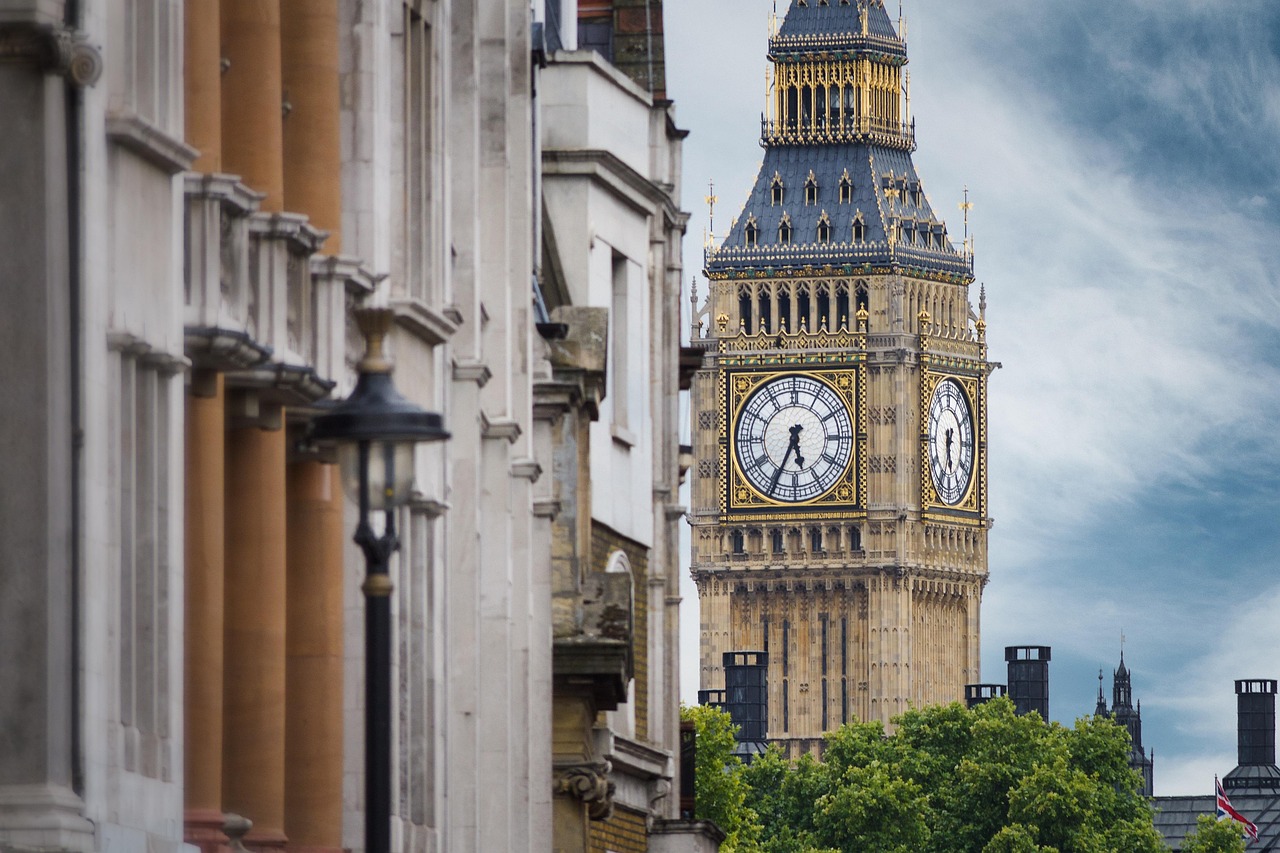
Stonehenge is perhaps the world's most famous prehistoric monument — a circle of standing stones on Salisbury Plain that has mystified and inspired humanity for over 5,000 years. Built in several stages from around 3000 BC, its precise purpose remains debated by archaeologists: a burial site, an astronomical observatory, a place of healing? The modern visitor centre is excellent, and the surrounding World Heritage landscape contains dozens of other prehistoric features. No photograph prepares you for the scale and presence of the stones.
The Tower of London has stood on the north bank of the Thames since 1078, when William the Conqueror built the White Tower as a statement of Norman power. Over the centuries it has served as a royal palace, a prison of the highest profile (Anne Boleyn and Thomas More both met their end here), an armoury, and a menagerie. Today it houses the Crown Jewels — the most spectacular collection of royal regalia in the world — and is one of the most visited sites in the UK.
Built on the orders of the Emperor Hadrian from AD 122 to mark and defend the northern frontier of the Roman Empire, Hadrian's Wall stretches 73 miles from coast to coast across northern England. UNESCO World Heritage Site. The best-preserved sections are in Northumberland, particularly around Housesteads Fort and Sycamore Gap. The Hadrian's Wall Path national trail follows the entire length of the wall and is one of England's finest long-distance walks.
Perched on an extinct volcanic plug in the heart of Edinburgh, this castle has dominated the city's skyline since the 12th century. It houses the Scottish Crown Jewels (the oldest in the British Isles), the Stone of Destiny, and the National War Museum. The One O'Clock Gun fires every weekday (except Sundays), a tradition dating from 1861. The esplanade in front of the castle is the setting for the famous Edinburgh Military Tattoo every August.
Less famous than nearby Stonehenge but arguably more impressive in scale, Avebury contains the largest megalithic stone circle in the world — so large that the village of Avebury sits inside it. Part of the same prehistoric World Heritage landscape as Stonehenge, Avebury also features the remarkable West Kennet Long Barrow (a Neolithic burial chamber) and Silbury Hill, Europe's largest man-made prehistoric mound. Unlike Stonehenge, you can walk freely among the stones for free.
One of Britain's greatest baroque buildings and a UNESCO World Heritage Site, Blenheim Palace was built in the early 18th century as a gift from a grateful nation to the Duke of Marlborough following his victory at the Battle of Blenheim. It is also the birthplace of Sir Winston Churchill. The palace's state rooms are opulent; the 2,000-acre grounds — landscaped by Capability Brown — are magnificent; and the Churchill Exhibition is deeply moving.
A small but extraordinarily ornate 15th-century chapel just south of Edinburgh, Rosslyn became world-famous after featuring in Dan Brown's The Da Vinci Code. The stone carvings that cover every surface inside are of astonishing complexity and variety — including what some claim to be representations of maize (New World corn), suggesting knowledge of the Americas before Columbus. The truth behind the carvings remains beautifully mysterious, and the chapel itself is genuinely remarkable whatever you believe.
Several of our tours include visits to iconic historical sites. See our London & Beyond tour (Stonehenge) and Cultural Edinburgh (Edinburgh Castle, Rosslyn Chapel).
Disclaimer: This website is operated by a private service provider and is not an official government website. We are not associated with any governmental agency. All visa applications submitted through this platform are transmitted to the appropriate government immigration authority. This service charges a handling fee for application assistance.